Seven skills
You write what you want. Your AI knows how
- start
- template-aufbau
- copywriting
- design-system
- seo
- qualitaetspruefung
- systemwissen
Built for software that does more than one thing

Lavender gradient over a drawn wave graphic
Six modules, each with one line on what it solves
Four switchable product views, all built in HTML
Sources, data layer and modules in one diagram
A slider sets spreadsheet against platform
Three sliders give hours and euros saved



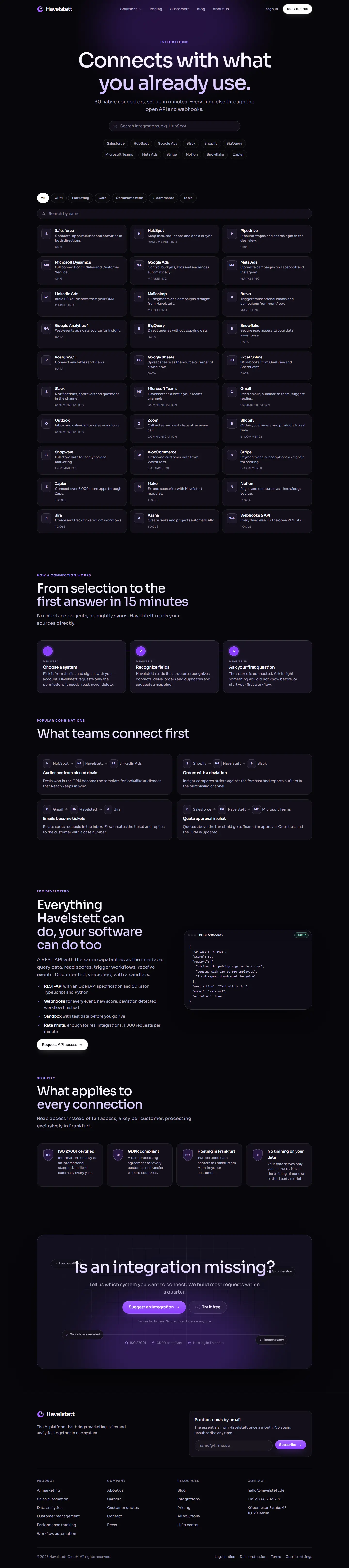
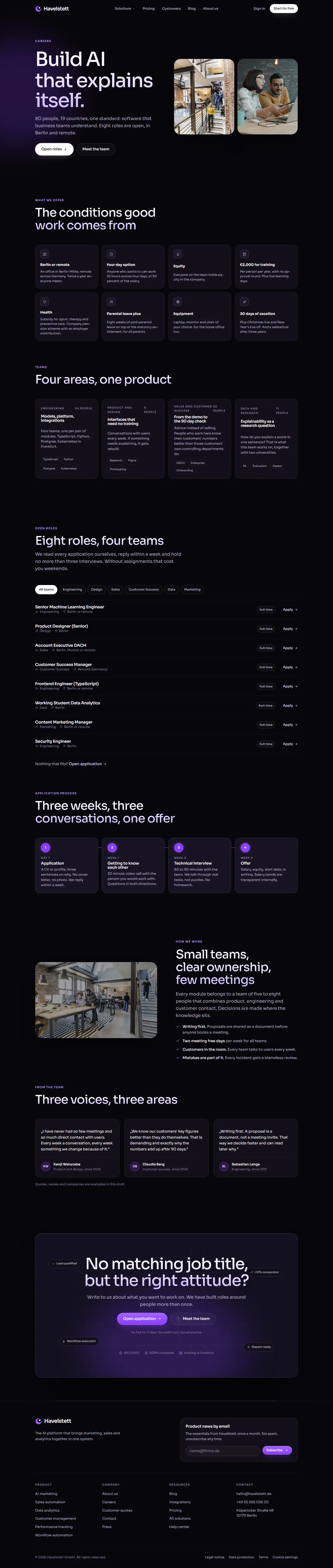

Six module pages from one data file
Each tab pulls one of eight product views
Bar chart and a 90 day process bar
Every module page shows the other five
You write what you want. Your AI knows how
The rules of the template for your AI
Not just squeezed together

Strategy and blueprint in the project
Switched to your brand in one sentence
AI software vendors with several modules
SaaS teams that need a landing page per feature
Founding teams heading into a funding round
Secure payment via Stripe, the ZIP arrives right after
Rather have it done for you?AI Website Service · €899First steps in the docs Template, service and custom pricing compared
Not much. The module pages come out of a data file: drop four entries and you have two pages, and the grid, the menu and the cross links follow. The other way round, a seventh module is one entry more. The template-setup skill walks the order and names the places outside the file that still say six.
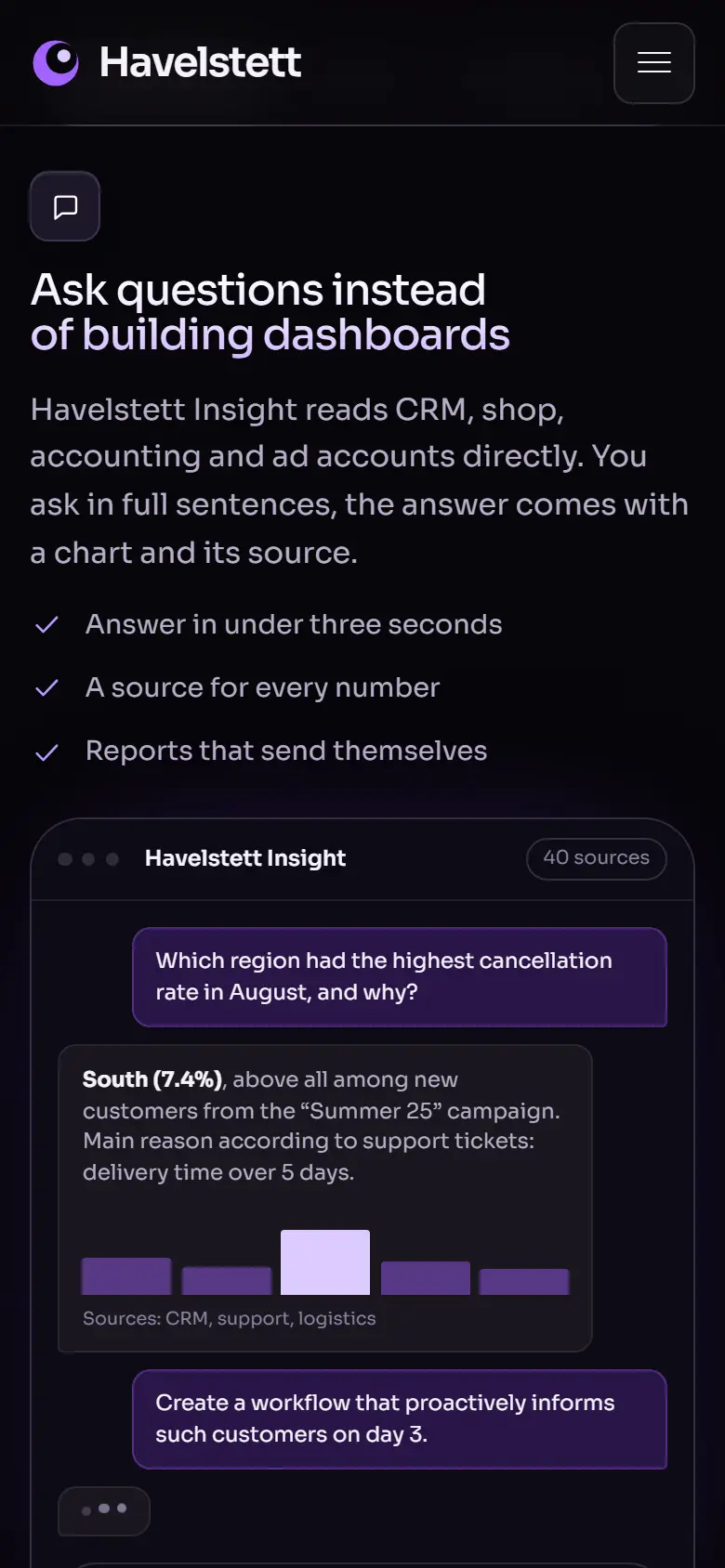
Not a single one. Chart, pipeline, chat, flow, key figures, contacts, campaign and alerts are HTML with CSS, in one file with eight variants. They stay sharp at any resolution, can be rewritten for your own product with a text editor and do not go stale when the interface changes.
Three sliders for team size, manual hours per week and hourly rate. Out of them come freed hours per month, savings per year and the license cost next to it. The assumption is stated visibly, the math sits in ten lines of script and runs without a server.
Yes, but it is work, not a switch. Ground, surfaces, lines and text sit as variables in one file, so the base is light within an hour. The glows, the wave graphic, the gradient headlines and the shadows are built for the dark ground and need values of their own. The design-system skill knows both routes and checks the contrasts along the way.
They get replaced or deleted. Testimonials, key figures, case studies, the timeline, the positions and every person are examples and are labelled as such on the page. The knowledge layer explains why unlabelled invented reviews break competition law and why statements about data centers and certificates are contracts, not marketing.
Only in the draft. The six portraits for the testimonials and the six team photos ship in the package so the site looks finished when unpacked. There is no model release, so no right to show real people under an invented name. Before going live your own photos go in, and the template-setup skill swaps them in every size.
In the package the contact and newsletter forms show a success message after submitting, nothing more. That is deliberate, so the site runs on any host. For production you connect a form service, a script from your host or your own endpoint; the knowledge folder describes three routes.
Any host that serves files. Astro builds static HTML pages from the project, which belong on web hosting for a few euros a month or on a free static service. There is no database, no application server and no service that creates running costs.
Yes. The Sora font sits in two files inside the project, the 39 photos likewise, the product views are HTML, and there is no map and no embedded video. The consent dialogue with two categories blocks the page until a choice is made and is the preparation for services you add. Without consent no connection to third parties happens.
English has no such split, so the English edition simply speaks to the reader as you. The German edition uses the formal Sie because it is written for selling to business teams and management. Switching it to the informal form is a copywriting skill task and takes minutes; the address is a decision in the text, not in the code.
Everything in the package. Code, copy, design, product views and skills may be used for your own and for client projects without any unit limit. Only reselling the template itself is excluded. The Sora font is licensed under the SIL Open Font License, and the license file sits next to the font files.
Yes, as its own ZIP with the same website in English, plus the guide, the knowledge folder and the seven skills in English. Numbers, dates and the product views are labelled in English there. The page addresses stay the same in both editions, so one project can carry both.
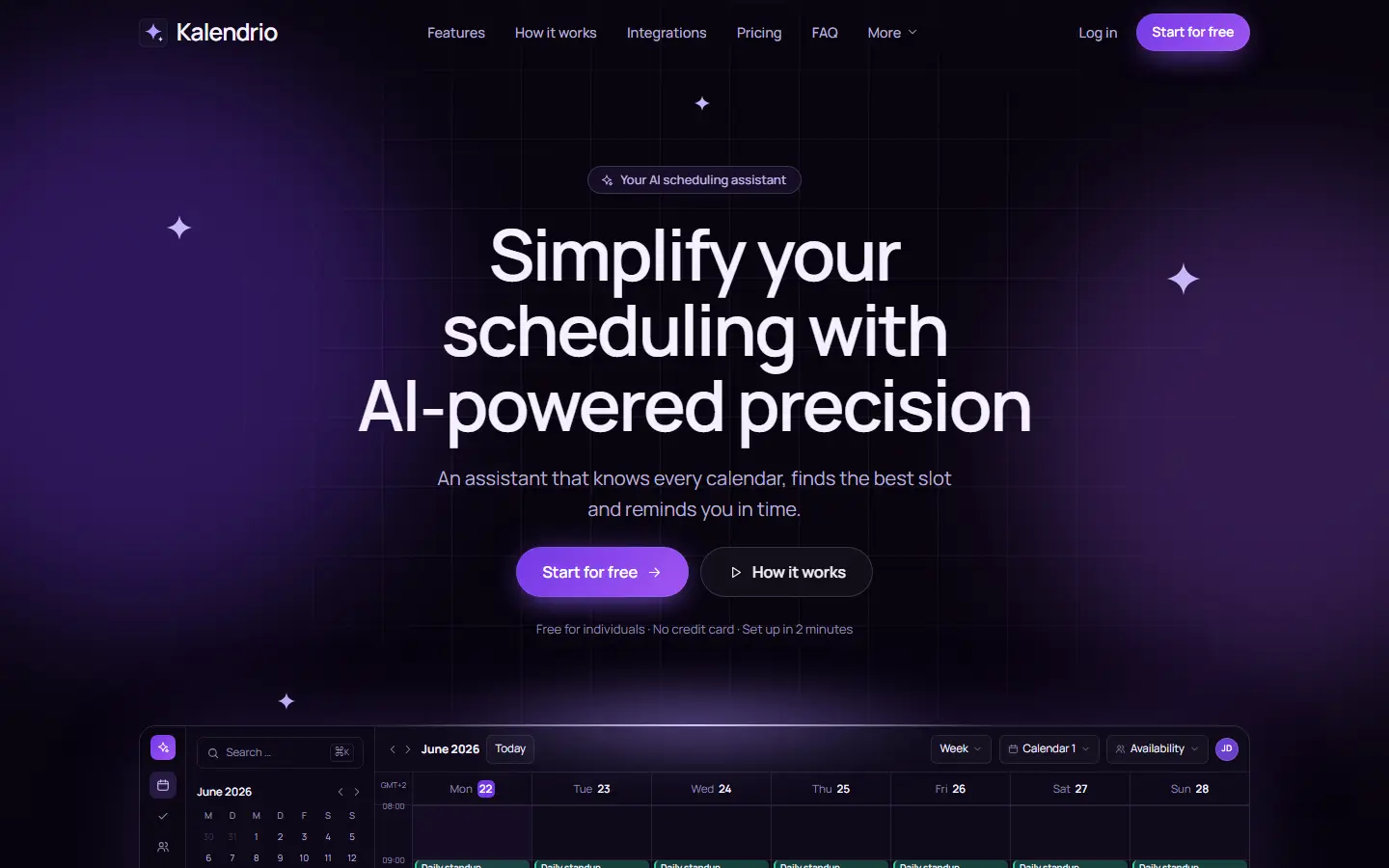 Showcase
 Showcase
 Showcase

We would like to understand how this site is used with Google Analytics, loaded via Google Tag Manager. Nothing loads and no cookie is set before your ok. You can change your choice anytime in the privacy policy.
Choose what may be active. You can change your selection anytime in the privacy policy.